Feeding Your Exotic Pet: Common Diet Mistakes Owners Make
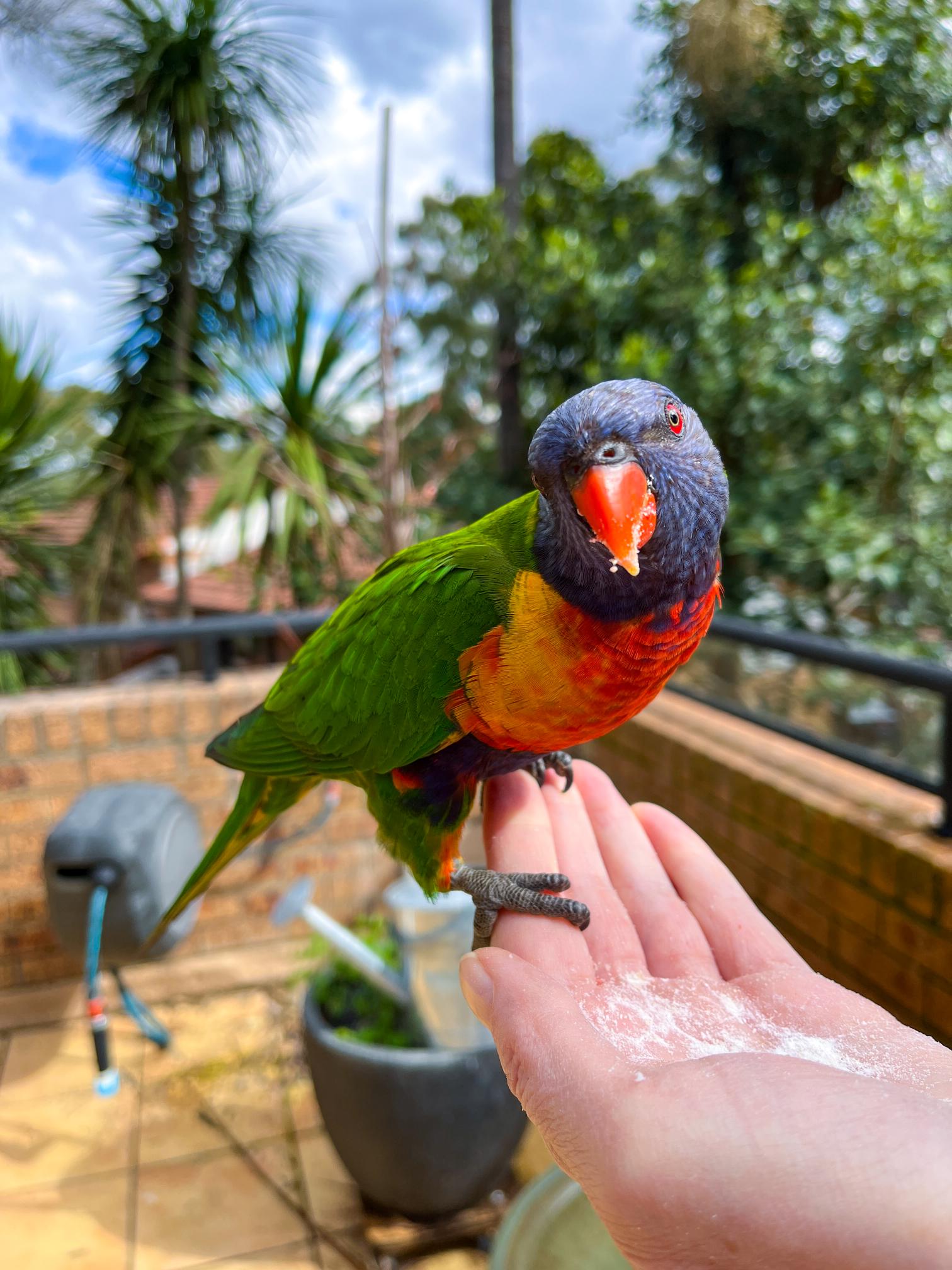
When it comes to food, exotic pets have opinions—strong ones. But whether you live with a chatty parrot, a curious reptile, or a playful small mammal, their favorite snack isn’t always what their bodies actually need.
At Texas Avian & Exotic Hospital in Grapevine, TX, we help families navigate the sometimes-tricky world of exotic pet nutrition so their companions can stay healthy, active, and thriving.
Misunderstanding What “Balanced” Really Means
A balanced diet for a bird, reptile, or small mammal has nothing in common with a typical dog or cat diet. Many bird diet mistakes, for example, stem from offering too many seeds. While birds may adore seeds, a seed-only diet can lead to serious issues, including obesity and vitamin deficiency.
Proper balance looks different for every species, but here are a few general reminders to keep in mind:
- Pelleted diets are often far more complete than seed mixes
- Fresh produce should be offered based on species-specific needs
- Treats should stay occasional, even when they’re enthusiastically received
A thoughtful mix of these components helps your pet get the vitamins, minerals, and nutrients they need, without relying on guesswork. If you’ve ever wondered whether you’re offering the correct ratio, you’re definitely not alone, and a little guidance can go a long way.
Bird Diet Mistakes That Can Cause Health Problems
Even experienced bird owners can be surprised by how quickly nutritional imbalances cause health concerns. Beyond seed overload, birds may not receive enough calcium, vitamin A, or high-quality protein.
Common pitfalls include the following:
- Feeding mostly seeds without fortified pellets
- Offering too much fruit and not enough leafy greens
- Relying heavily on table food or processed human snacks
Left unchecked, these imbalances can lead to both minor and serious conditions, from dull feathers to dangerous vitamin deficiencies. The good news? Adjusting a bird’s diet often leads to improvements you can see: brighter feathers, more energy, and improved overall health.
Reptile Diet Tips: Avoiding the Most Frequent Mistakes
Reptiles may look low-maintenance, but their nutritional needs are anything but. Whether you have a bearded dragon, gecko, tortoise, or snake, many diet problems come from offering the wrong foods or the wrong supplements.
A few key reptile diet tips to keep in mind include the following:
- Understand whether your reptile is carnivorous, herbivorous, or omnivorous
- Use calcium and vitamin D3 supplements correctly
- Make sure feeder insects are properly gut-loaded
- Provide a variety of greens rather than relying on a single favorite
Reptiles rely heavily on a balanced diet and proper habitat lighting to properly process nutrients. Missing either piece can contribute to preventable health concerns, especially metabolic bone disease.
Small Mammal Feeding: Why “Healthy Snacks” Aren’t Always Healthy
Small mammals such as rabbits, guinea pigs, ferrets, chinchillas, and hedgehogs are famous for their appetites. But many of the foods marketed for them—from sugary yogurt drops to high-fat seed bars—can cause more harm than good.
Here are some common mistakes we see with small mammal feeding:
- Offering too many high-calorie treats
- Providing the wrong type of hay (or not enough hay at all)
- Forgetting species-specific vitamin needs, such as vitamin C for guinea pigs
- Relying on mixes that allow pets to pick out only the tastiest bits
A few small adjustments can support better digestion, healthier teeth, and more stable energy levels. When in doubt, aim for high-quality staples and keep the “fun foods” on the lighter side.
When a Diet Checkup Is the Best Medicine
Because nutrition plays such a huge role in long-term health, diet-related issues like exotic pet vitamin deficiency account for many of the exotic pet appointments we see each week. If your pet seems lethargic, is gaining or losing weight, or simply isn’t acting like themselves, a nutritional evaluation is often a great first step.
Give Your Pet the Best Care Possible
A well-balanced diet is one of the greatest gifts you can give your exotic pet, and you don’t have to navigate it alone. Our team is here to help you understand exactly what your bird, reptile, or small mammal needs to stay healthy and happy.
To schedule a wellness visit or nutritional consultation, call us at (817) 953-8560. We look forward to partnering with you and your extraordinary companion.