
How Cold Is Too Cold? Winter Care Tips for Birds, Reptiles, and Small Mammals
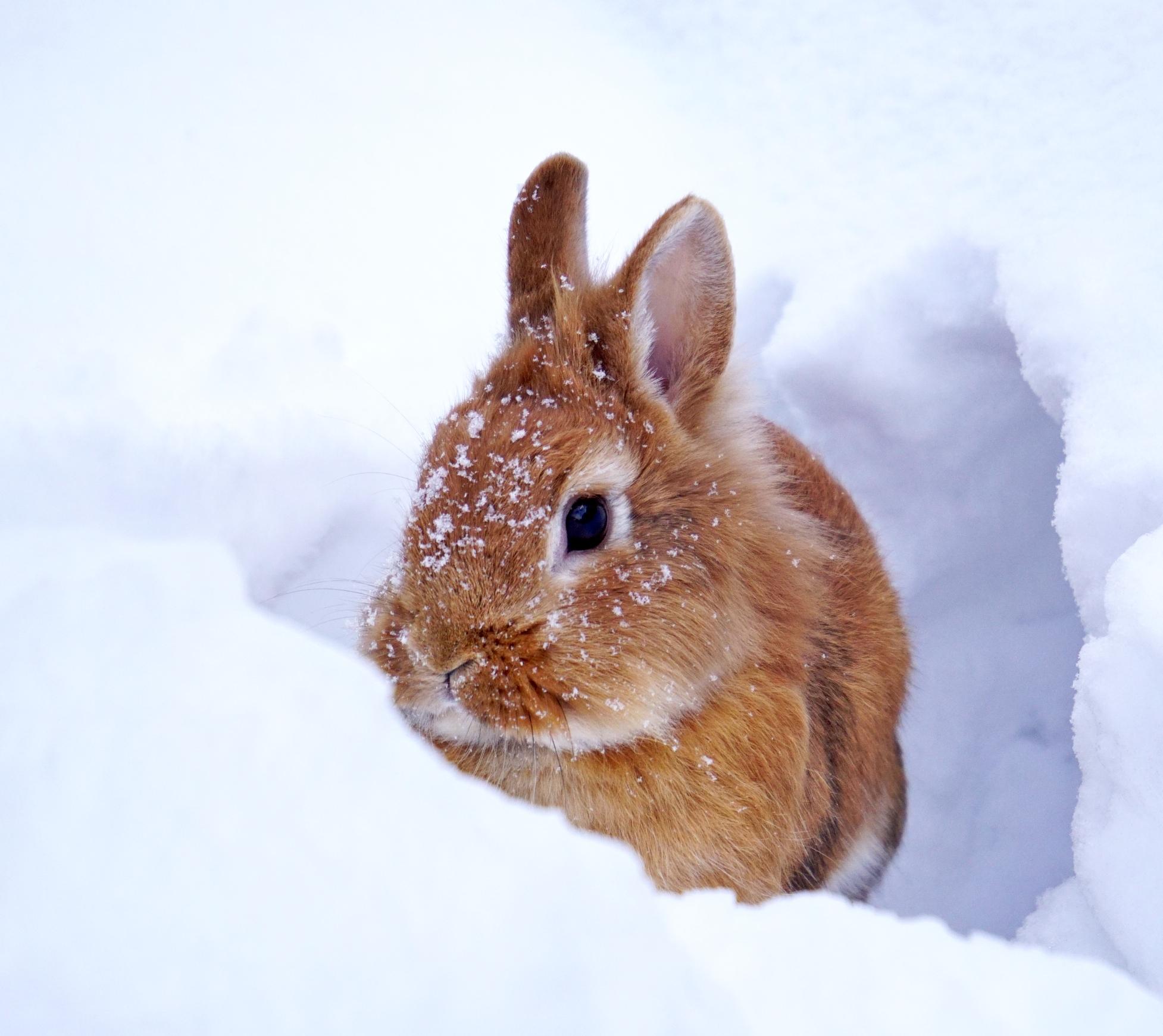
When temperatures drop in Texas, many exotic pet parents wonder: how cold is too cold? While cats and dogs can keep cozy with blankets or sweaters, exotic pets like birds, reptiles, and small mammals have very different needs. Understanding how cold weather affects your exotic pet—and how to protect them—can make all the difference in their comfort and health.
Bird Cold Weather Safety
Birds are highly sensitive to drafts and sudden temperature shifts. Even though most companion birds live indoors, cool air seeping through windows and drafts from open doors can put stress on their respiratory systems. Practice these bird cold weather safety strategies:
- Place bird cages away from windows, doors, or vents where cold air may flow.
- Use a cage cover or safe ceramic heat lamp (never a heated bulb with exposed elements) to help keep birds comfortable at night.
- Fluffed feathers, lethargy, or loss of appetite may indicate that your bird is too chilly.
- Maintain a stable room temperature between 65-80°F for tropical species such as parrots and cockatiels.
Reptile Heating Winter Tips
Unlike mammals and birds, reptiles are ectothermic, meaning they rely entirely on external heat sources to regulate their body temperature. Keep these reptile heating winter tips in mind:
- Ensure heat lamps, heating pads, or ceramic heaters are functioning correctly and connected to a thermostat.
- Your reptile’s habitat should include both a warm basking area and a cooler retreat, allowing them to self-regulate.
- Use thermometers at both ends of the enclosure to ensure consistent, safe heat levels.
- If the power goes out, wrap your reptile’s enclosure in blankets for insulation and use heat packs (wrapped in towels) as a temporary measure until power returns.
Small Mammals and Winter Comfort
Rabbits, guinea pigs, ferrets, and other small mammals may seem more adaptable, but they too can struggle in cold weather.
- Indoor housing is best. Outdoor hutches or cages leave pets vulnerable to drafts and freezing conditions, even in mild Texas winters.
- Add soft, insulating materials like hay, shredded paper, or fleece to keep them warm and cozy.
- Shivering, huddling, or reduced activity can signal discomfort.
- Ferrets in particular prefer warmer indoor temperatures and may need extra blankets during cold spells.
General Exotic Pet Winter Care Tips
- Avoid sudden temperature swings. Gradual changes are easier for pets to tolerate than abrupt drops.
- Use a humidifier to balance out overly dry indoor air, which may irritate birds’ airways and reptiles’ skin.
- Schedule a wellness check. A veterinary exam can help ensure your exotic pet is healthy and resilient before the coldest part of the season.
Keep Your Exotic Pet Cozy This Winter
Every exotic pet has unique needs, but all benefit from a little extra attention when the temperature drops. If you have concerns about your pet’s health or need personalized exotic pet winter care advice, contact our team at Texas Avian & Exotic Hospital at (817) 953-8560.