
How to Keep Exotic Pets Warm and Comfortable During Texas Winters
Even though Texas winters are mild compared to other parts of the country, temperatures can still dip low enough to make your exotic pet uncomfortable. Because many of these animals come from tropical or desert climates, they often struggle with sudden cold snaps and fluctuating humidity. At Texas Avian & Exotic Hospital in Grapevine, we know that proper exotic pet winter care is essential to keeping your pet happy and healthy through the chillier months.
Understanding How Temperature Affects Exotic Pets
Temperature changes can cause big problems for small companions. Birds may fluff their feathers and shiver, reptiles can become sluggish, and small mammals might burrow more often than usual. These behaviors are your pet’s way of conserving body heat—and a sign that they need extra warmth and environmental stability.
The effects of winter weather can vary by species:
- Birds: Drafts or temperature swings can quickly lead to illness, so stable room temperatures and bird temperature safety are key.
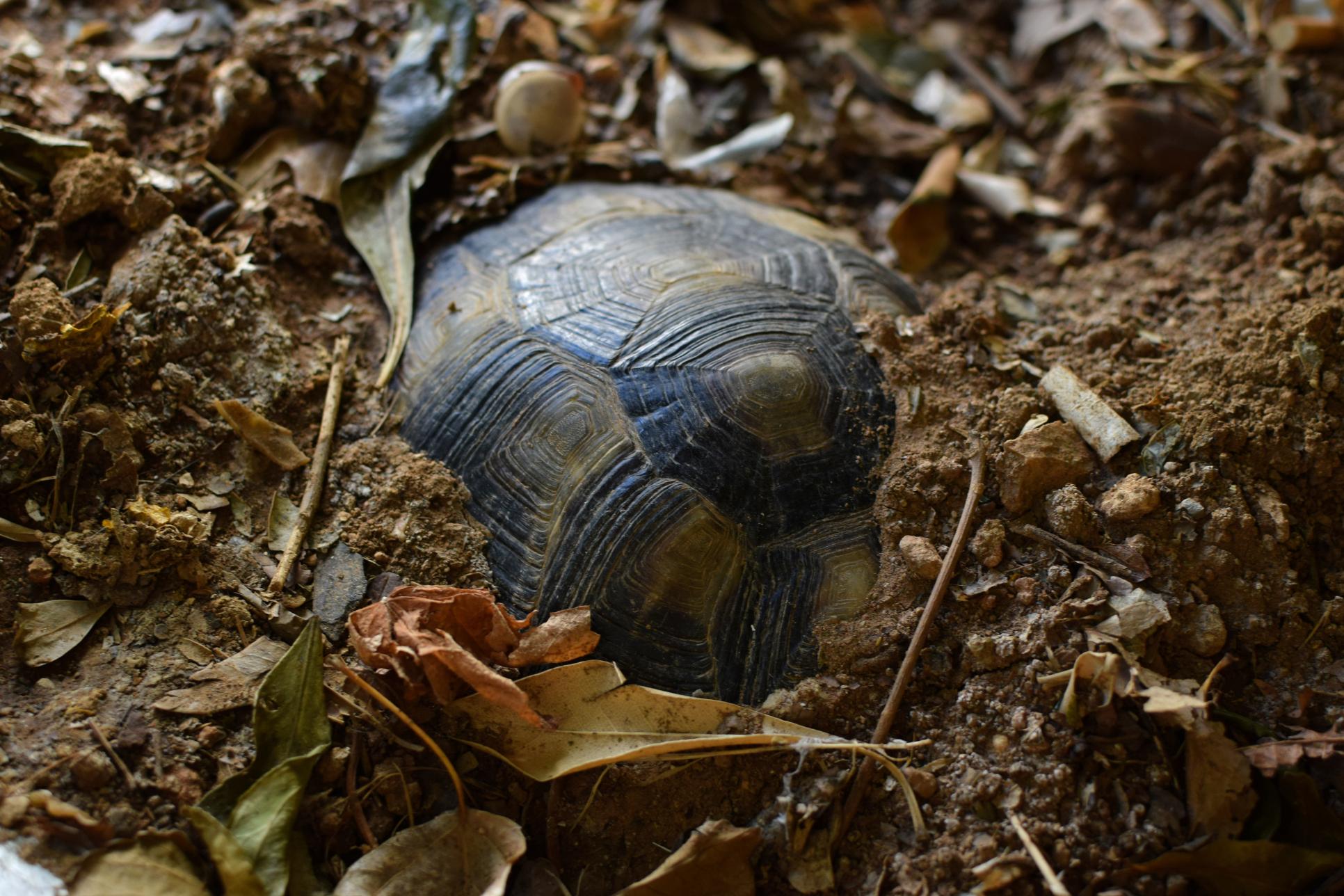
- Reptiles and amphibians: Because they’re cold-blooded, they depend entirely on external heat sources to maintain their body temperature.
- Small mammals: Hedgehogs, chinchillas, and similar pets are especially sensitive to cold, and may show signs of stress if their environment cools down too much.
Even small temperature drops can affect your pet’s appetite, energy level, and immune health, which makes it vital to maintain a consistent setup all winter long.
How can you prepare your exotic pet for shorter days? Check out this related blog post.
Reptile Heating Tips for a Cozy Habitat
For reptiles and amphibians, proper heating isn’t optional—it’s critical. These species rely on warmth to digest food, move comfortably, and regulate body systems. When temperatures fall, make sure their habitat stays within their ideal range.
Here are a few reptile heating tips to keep in mind:
- Use thermostats and thermometers: These help ensure your basking and ambient zones stay in the correct range.
- Provide multiple heat sources: Ceramic heaters, under-tank pads, or low-wattage heat bulbs can create a natural gradient of warmth.
- Avoid direct exposure: Don’t place enclosures near windows or vents, where sudden drafts can throw off the temperature.
- Maintain humidity: Many reptiles also need consistent humidity levels, so use a hygrometer to monitor the balance.
Creating a stable environment keeps your reptile active, alert, and stress-free during the cooler months.
Helping Birds Stay Safe and Comfortable
Birds have delicate respiratory systems and thin skin, making them particularly vulnerable to sudden temperature changes. Prioritizing bird temperature safety during winter helps prevent illness and stress.
A few easy adjustments can make a big difference:
- Keep cages away from drafts: Avoid windows and exterior doors.
- Cover the cage at night: This helps retain warmth and block cool air.
- Use a safe heat source: Specialized avian heating panels or heated perches can help maintain comfort without the risk of burns.
- Watch their behavior: If your bird is puffing up, tucking one foot, or shivering, it may be too cold.
Healthy feathers and bright energy levels usually indicate your bird is comfortable with the indoor climate.
Small Mammals and Seasonal Comfort
Small mammals like rabbits, guinea pigs, and sugar gliders can also feel the chill when temperatures dip. Keep their enclosures insulated and lined with soft bedding. Offer nesting materials such as fleece or hay, and ensure that water bottles don’t freeze overnight in colder rooms. Regularly check their behavior for changes in activity or appetite—these may be early signs of cold stress.
The Role of a Texas Exotic Vet in Winter Pet Care
Partnering with a Texas exotic vet ensures your unique companion’s needs are met year-round. At Texas Avian & Exotic Hospital, our doctors specialize in the care of birds, reptiles, and small exotic mammals. We help pet owners create ideal environments, choose the right heat sources, and recognize subtle signs that their animals might not be coping well with temperature changes.
Even if your pet seems fine, a quick seasonal wellness exam can help confirm that everything from humidity levels to diet is supporting their health through the winter.
Schedule a Winter Wellness Visit
If you have concerns about your pet’s environment, diet, or winter care routine, our team is here to help. Schedule a wellness visit today by calling (817) 953-8560. Our experienced veterinarians specialize in keeping exotic pets safe, comfortable, and thriving year-round.