
Lack of Appetite in Reptiles: Temperature, Parasites, or Systemic Disease?
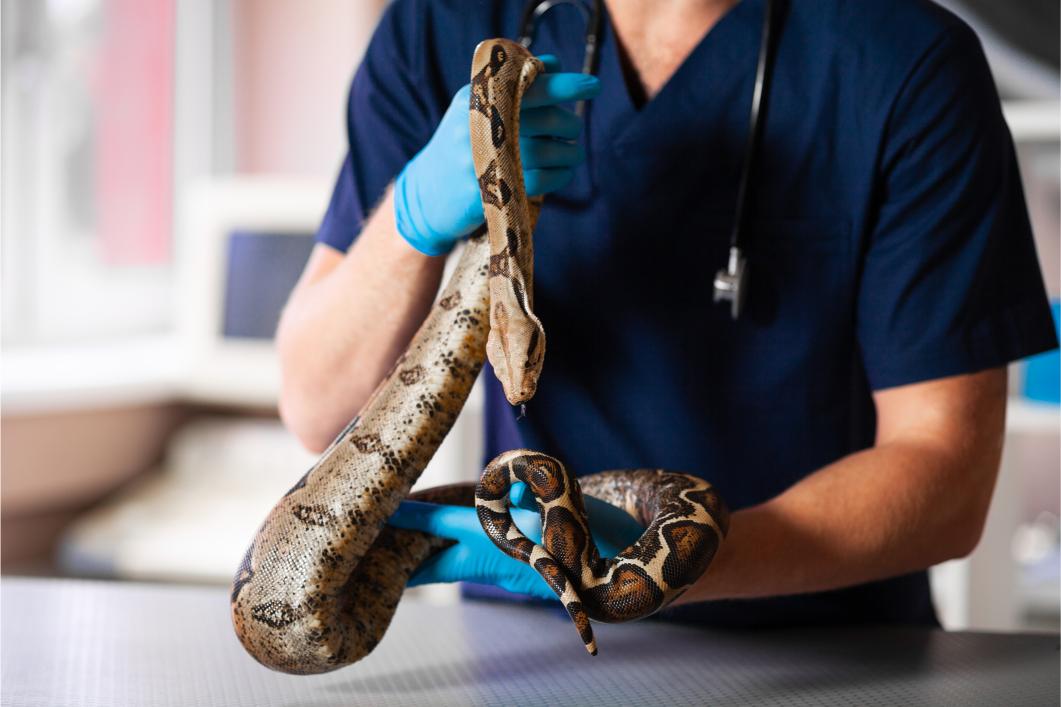
When a reptile skips a meal, it doesn’t always mean something is wrong. Many species exhibit natural fluctuations in appetite tied to seasonal changes, shedding cycles, or breeding behaviors. That said, when a reptile not eating becomes a pattern or is paired with other changes, it’s time to look closer.
At Texas Avian & Exotic Hospital in Grapevine, TX, we frequently see appetite loss as one of the earliest signs of reptile illness, and the cause isn’t always obvious.
Temperature and Husbandry: The Most Common Culprit
Reptiles rely entirely on their environment to regulate body temperature. If enclosure conditions are off, digestion slows or can stop altogether.
Common husbandry issues that can lead to appetite loss include:
- Improper basking or ambient temperatures
- Lack of a proper temperature gradient
- Inadequate UVB lighting
- Humidity levels that are too high or too low
Without the right heat and lighting, food simply can’t be processed efficiently. This is a frequent reason behind bearded dragon appetite loss and is also a common explanation if your pet snake stopped eating after a recent enclosure change.
If your reptile hasn’t eaten recently, double-check temperatures with a reliable thermometer and confirm that bulbs are the correct type, strength, and age. Even a slight drop in basking temperature can make a big difference.
If you’re concerned that your pet’s habitat or care regimen may be contributing to a health issue, Texas Avian & Exotic Hospital offers husbandry evaluations to optimize your pet’s habitat and well-being.
Parasites: Small Invaders, Big Impact
Internal parasites are another frequent cause of appetite changes, especially in reptiles fed live prey or those recently acquired from breeders or pet stores.
Parasites may cause:
- Reduced or absent appetite
- Weight loss despite normal feeding attempts
- Abnormal stool consistency or frequency
- Lethargy
Parasite loads aren’t always visible, and some reptiles appear otherwise “normal” for quite some time. A fecal exam performed by an experienced exotic veterinarian is the only way to know for sure. Left untreated, parasites can progress from mild discomfort to serious systemic issues.
Systemic Disease and Underlying Illness
Sometimes, appetite loss is the symptom, not the problem itself. A reptile illness affecting internal organs, bones, or metabolism may suppress hunger as the body struggles to maintain balance.
Potential underlying causes include:
- Metabolic bone disease
- Liver or kidney dysfunction
- Respiratory infections
- Egg binding in females
- Chronic pain or internal inflammation
If your reptile not eating is paired with weight loss, weakness, difficulty shedding, or changes in behavior, a veterinary evaluation is especially important. Reptiles instinctively hide illness, so appetite loss may be one of the few visible clues.
When Appetite Changes Become Urgent
Occasional skipped meals can be normal, depending on the species. However, you should never ignore prolonged appetite loss. Younger reptiles, growing animals, and species with high metabolic needs can decline quickly when they stop eating.
Contact your veterinarian promptly if you notice:
- Appetite loss lasting more than several days
- Rapid or unexplained weight loss
- Lethargy or weakness
- Abnormal stools or urates
- Behavioral changes alongside a lack of appetite
Early intervention often leads to better outcomes and simpler treatment plans.
How Veterinary Care Helps
A reptile wellness exam focuses not only on physical health but also on enclosure setup, diet, and husbandry. Diagnostics such as fecal testing or blood work may be recommended depending on species and age. In many cases, correcting environmental factors alongside targeted treatment restores appetite safely and effectively.
Schedule an Appointment Today
If your reptile is not eating and you’re unsure why, don’t wait and see. Appetite loss is one of the most common and important warning signs we see. Call us today at (817) 953-8560 to schedule an appointment and let our team help identify the cause and get your reptile back on track.