
Swollen Eyes in Turtles and Tortoises: Vitamin Deficiency or Infection?
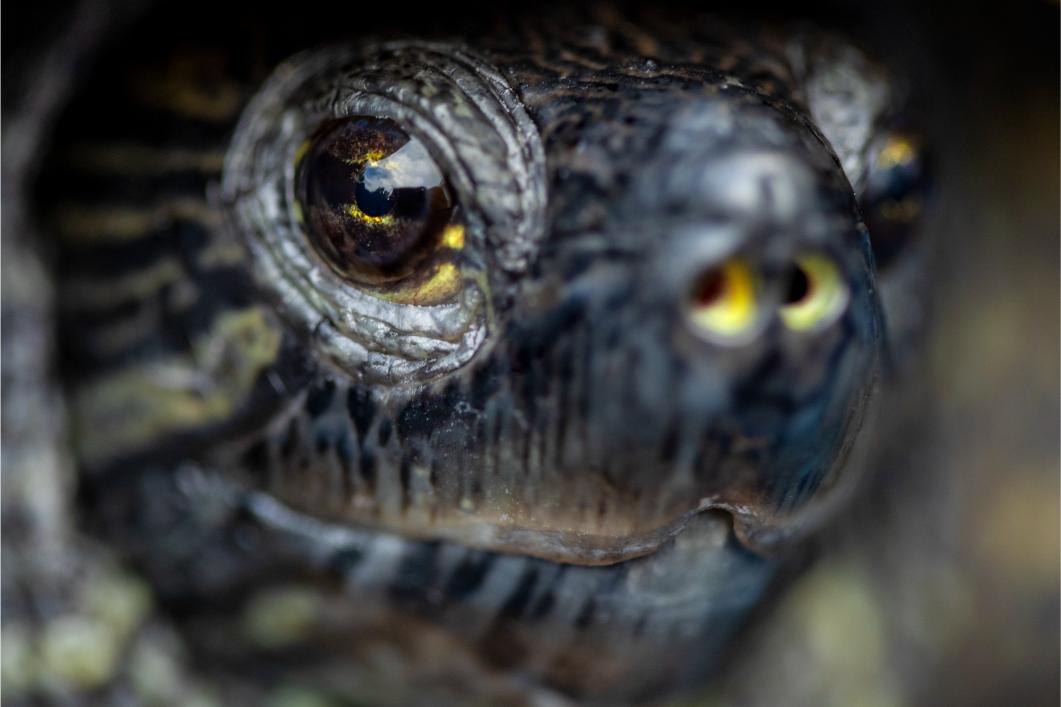
If your turtle or tortoise suddenly has puffy, swollen eyes or seems unable to open them, it’s hard not to worry. Eye issues are among the more common concerns we see in reptiles, and while they may look similar on the surface, the underlying causes can vary.
At Texas Avian & Exotic Hospital in Grapevine, TX, we often help pet owners determine whether swollen eyes in turtles and tortoises are due to a nutritional imbalance, such as reptile vitamin A deficiency, or to an eye infection that requires prompt treatment.
Understanding what’s behind the swelling is the first step toward helping your pet feel better.
What Do Swollen Eyes Mean in Turtles and Tortoises?
Swelling around the eyes is one of the most noticeable reptile eye problems, and it can affect both aquatic turtles and land-dwelling tortoises. In many cases, the eyes may appear puffy, closed, or irritated, making it difficult for your pet to see, eat, or move around comfortably.
While it’s tempting to assume all eye issues are infections, that’s not always the case. Most commonly, these symptoms fall into two categories:
- Nutritional concerns, such as reptile vitamin A deficiency
- Infectious or environmental causes, including a tortoise eye infection
Because the treatments for these conditions differ, identifying the cause early is important
Reptile Vitamin A Deficiency: A Common Underlying Cause
Reptile vitamin A deficiency is one of the leading reasons for turtle swollen eyes, particularly in pets fed a limited or imbalanced diet. Vitamin A plays a key role in maintaining healthy skin, mucous membranes, and eye tissues.
When levels are too low, the tissues around the eyes can become thickened and swollen, sometimes to the point where the eyes remain closed.
Common signs of reptile vitamin A deficiency may include:
- Swollen or puffy eyelids
- Eyes that appear sealed shut
- Lethargy or reduced activity
- Decreased appetite
- Changes in skin or shedding
These changes often develop gradually, making them easy to overlook at first. In many cases, husbandry and dietary adjustments are essential for resolving the issue and preventing it from recurring.
Tortoise Eye Infection and Other Infectious Causes
In other cases, swelling may result from a tortoise eye infection or another infectious process. Bacteria, debris, or environmental irritation can lead to inflammation and infection, sometimes affecting one or both eyes.
Signs of an eye infection may include:
- Discharge from the eye, ranging from clear to thick or pus-like
- Redness or irritation
- Swelling localized to one eye
- Frequent rubbing or keeping the eye closed
Unlike nutritional issues, infections may progress more quickly and can worsen without treatment. Prompt care helps prevent complications and supports a smoother recovery.
How Diet and Environment Play a Role
Many reptile eye problems are closely tied to everyday care. Even small imbalances in diet or habitat conditions can contribute to irritation, inflammation, or infection.
Common contributing factors include:
- Inadequate or unbalanced diet lacking essential nutrients
- Poor water quality in aquatic enclosures
- Improper lighting, especially a lack of UVB exposure
- Unsanitary or infrequently cleaned habitats
Taking a closer look at these factors can often reveal why symptoms developed in the first place. Addressing the root cause is just as important as treating the visible signs.
When Should You See a Veterinarian?
Eye issues in reptiles should never be ignored, especially if they persist or worsen. Because turtles and tortoises rely heavily on vision for feeding and navigation, even mild symptoms can quickly impact their quality of life.
It’s time to schedule an exam if you notice:
- Persistent swelling or closed eyes
- Symptoms lasting longer than 24–48 hours
- Discharge or signs of infection
- Loss of appetite or energy
Early evaluation allows for more targeted treatment and helps prevent long-term complications.
How These Conditions Are Diagnosed and Treated
During your visit, your veterinarian will perform a thorough exam and review your pet’s diet, lighting, and enclosure setup. This husbandry evaluation is often key to identifying the underlying cause.
Treatment may include:
- Vitamin supplementation for reptile vitamin A deficiency
- Topical or oral medications for infection
- Environmental and dietary adjustments to support healing
Because each reptile is unique, care is tailored to your pet’s specific needs, with close follow-up as needed.
Supporting Your Reptile’s Long-Term Eye Health
Preventing future issues starts with consistent, well-informed care. Small improvements in daily routines can go a long way in protecting your pet’s health.
To help reduce the risk of turtle swollen eyes and other concerns:
- Provide a balanced, species-appropriate diet
- Maintain clean, well-managed enclosures
- Ensure proper UVB lighting and temperature gradients
- Schedule routine wellness visits
With the right foundation, you can avoid many of these issues altogether.
Clear Eyes, Healthier Days Ahead
Swollen eyes in turtles and tortoises can be unsettling, but in many cases, they’re treatable—especially when addressed early. The right diagnosis makes all the difference.
If you’ve noticed changes in your pet’s eyes, our team at Texas Avian & Exotic Hospital is here to help. Call us at (817) 953-8560 to schedule an appointment and get your pet back on the path to comfort and health.