
Why Isn’t My Bearded Dragon Eating? Common Causes of Appetite Loss
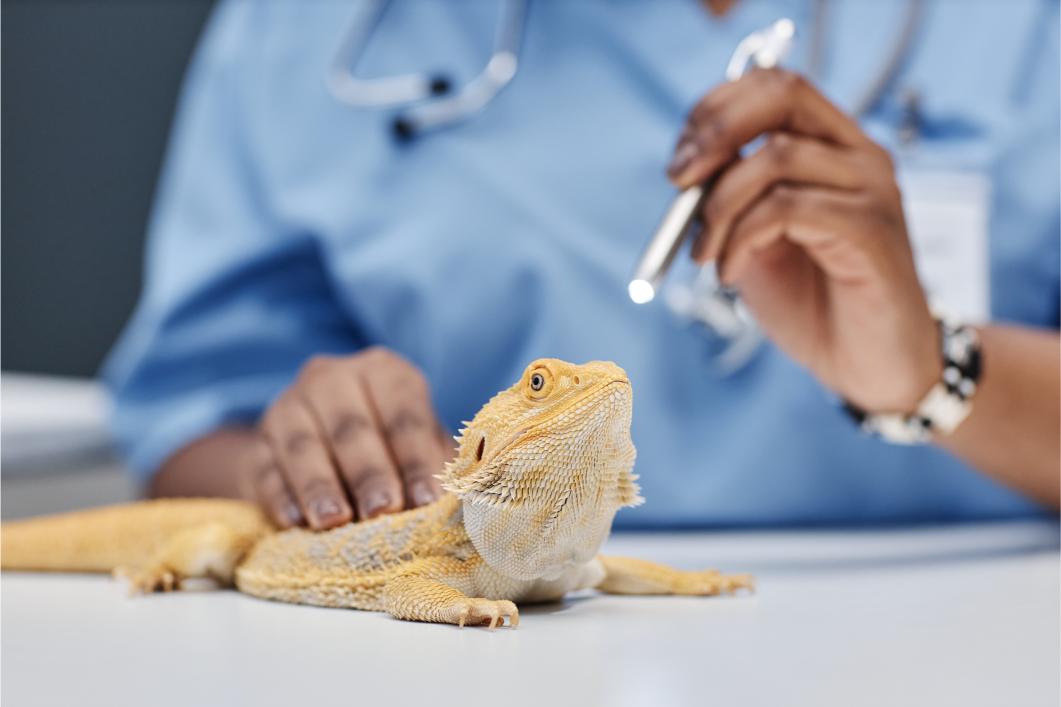
Bearded dragons are usually enthusiastic eaters—tiny, scaly omnivores who crave crunchy crickets and leafy greens alike. So when your dragon suddenly turns up their nose at dinner, it can feel a little unsettling. If you’re wondering, Why is my bearded dragon not eating, you’re right to pay attention.
In this blog, our team at Texas Avian & Exotic Hospital explores reptile appetite loss and when it may warrant a call to an exotic pet veterinarian.
Normal Reasons for Appetite Changes
Not every case of a bearded dragon not eating is cause for alarm. Sometimes, it’s simply part of their natural rhythm. Even so, it’s important to monitor how long your dragon goes without eating and watch for additional symptoms.
Common, non-emergency reasons for reptile appetite loss include:
- Brumation, a hibernation-like state where appetite naturally decreases
- Shedding, which can temporarily reduce interest in food
- Seasonal changes in light or temperature
- Stress, such as a recent habitat change
Lizard Not Eating Causes That Need Attention
When reptile appetite loss lingers, it may point to underlying issues.
Some more serious lizard not eating causes include:
- Improper tank temperatures (too hot or too cool)
- Inadequate UVB lighting
- Parasites or infections
- Impaction (a blockage in the digestive system)
- Dehydration
Subtle Signs Something Isn’t Right
Reptiles are masters of disguise when it comes to illness. If your dragon isn’t just skipping meals but also acting differently, it’s time to dig deeper.
Along with reptile appetite loss, watch for these reptile vet symptoms:
- Lethargy or decreased activity
- Weight loss or a thinner tail base
- Sunken eyes
- Changes in stool
- Weakness or unusual posture
Habitat Check: The First Step
Before assuming the worst, take a close look at your setup. Sometimes, correcting husbandry issues can quickly restore a healthy appetite. Bearded dragons rely on precise environmental conditions to thrive.
Make sure:
- Basking temperatures are in the proper range (typically 95-110°F)
- UVB lighting is high-quality and replaced regularly
- The enclosure is clean and appropriately sized
- Fresh water is always available
When to See a Reptile Vet
If your bearded dragon not eating persists for more than a week (or sooner for younger dragons), or if you notice additional symptoms, it’s time to consult a professional.
An experienced exotic veterinarian, like the team at Texas Avian & Exotic Hospital, can evaluate your pet, identify underlying issues, and recommend targeted treatment.
A skipped meal might not seem like much, but in the reptile world, it’s often the first clue in a larger story. Please get in touch with us at (817) 953-8560 if you have any questions or concerns about a bearded dragon not eating.