
Why Is My Parrot Losing Feathers? Molting vs. Feather Plucking
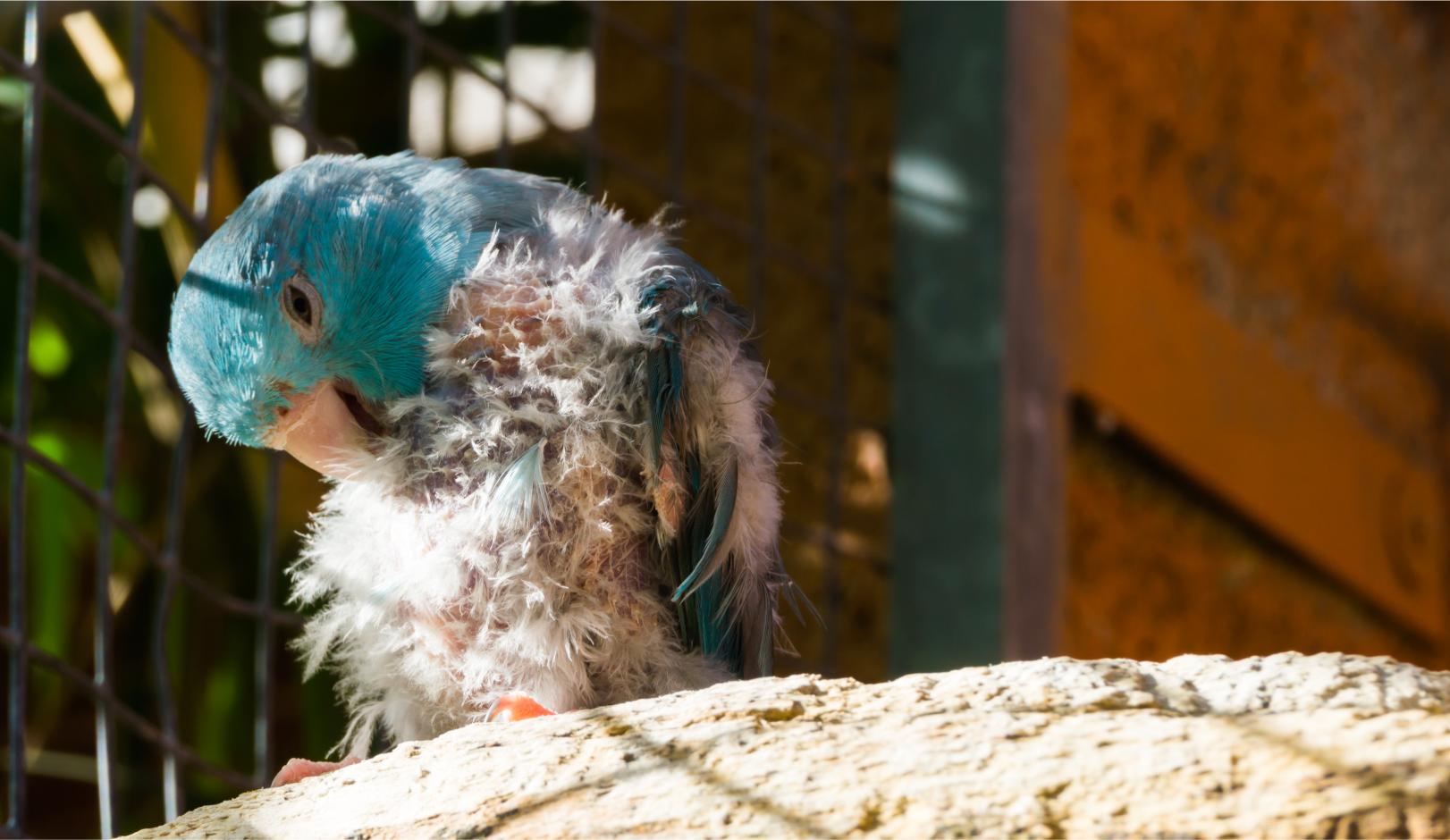
If you’ve noticed feathers floating around your home and it’s starting to look like a tiny bird snow globe, you’re probably asking yourself is this normal parrot behavior?
The truth is, not all feather loss is bad. Sometimes it’s a completely healthy process called molting. Other times, it can point to something deeper, like stress or a medical issue. Knowing the difference can make all the difference for your feathered friend’s health and happiness.
Natural Molting vs. Destructive Behavior
First things first; yes, parrots are supposed to lose feathers sometimes.
Molting is the normal, natural process in which birds shed old feathers and grow new ones. Think of it like a seasonal wardrobe refresh. During molting, you might notice:
- Even feather loss across the body
- New “pin feathers” (they look like little white quills)
- Mild moodiness or extra naps
This is all part of normal bird molting vs. plucking behavior, and it usually resolves on its own with good nutrition and rest.
Destructive bird feather plucking behavior is a different story. This is when a parrot actively pulls, chews, or damages their own feathers. Unlike molting, it’s not random or evenly spread; it’s intentional and often focused in specific areas like the chest or legs.
Symptoms of Destructive Feather Plucking & How to Help Prevent It
Feather plucking can look subtle at first, but it tends to escalate if the root cause isn’t addressed.
Signs include:
- Bald patches or thinning feathers
- Broken or frayed feathers (not naturally shed)
- Repetitive chewing or pulling at feathers
- Skin irritation or redness
- Increased anxiety or clingy behavior
One of the biggest causes of feather loss in parrots is stress. Stress can come from several things, like boredom, lack of stimulation, changes in routine, or even loneliness.
To help prevent it:
- Keep your parrot mentally engaged with toys and foraging activities
- Stick to a consistent daily routine
- Offer social interaction (yes, they really do get attached!)
- Make sure their environment feels safe and predictable
A busy parrot is usually a happier, healthier parrot.
When to Worry About Medical Issues
Sometimes, feather loss isn’t just emotional or behavioral; it can be physical.
If you’re seeing sudden feather loss, skin damage, or changes in appetite or energy, it’s time to dig deeper. Medical-related causes can include infections, parasites, nutritional deficiencies, or hormonal imbalances.
The tricky part is that parrots are experts at hiding illness. So by the time symptoms show up, they may already need support.
If you’re unsure whether you’re dealing with normal molting or something more serious, it’s always worth getting it checked out. Early care can make a huge difference.
Tip to Keep Your Parrot from Getting Bored
Here’s a simple trick that goes a long way: rotate their toys.
Just like people get bored with the same old routine, parrots get bored with the same old toys. Try switching things out every week or two so everything feels new again, even if it’s technically the same toy box.
You can also add simple enrichment to playtime, like paper to shred, safe branches, or hiding treats in unexpected places. Small changes can result in big entertainment value.
Healthy Feathers, Happy Bird
Feather changes can feel confusing, but once you understand the difference between normal molting and feather plucking, things become a lot clearer. The key is paying attention to patterns, behavior, and overall mood.
If something feels off, trust your instincts; your bird is counting on you to notice the little things.
At Texas Avian & Exotic Hospital, we’re here to help you sort through parrot feather loss causes, stress in parrots, and anything in between so your feathered companion can stay healthy, comfortable, and thriving.
If your parrot’s feathers are raising questions, don’t wait, reach out today, and let’s make sure they’re feeling their very best.