
Why Is My Parrot Regurgitating? Normal Behavior vs. Signs of Illness
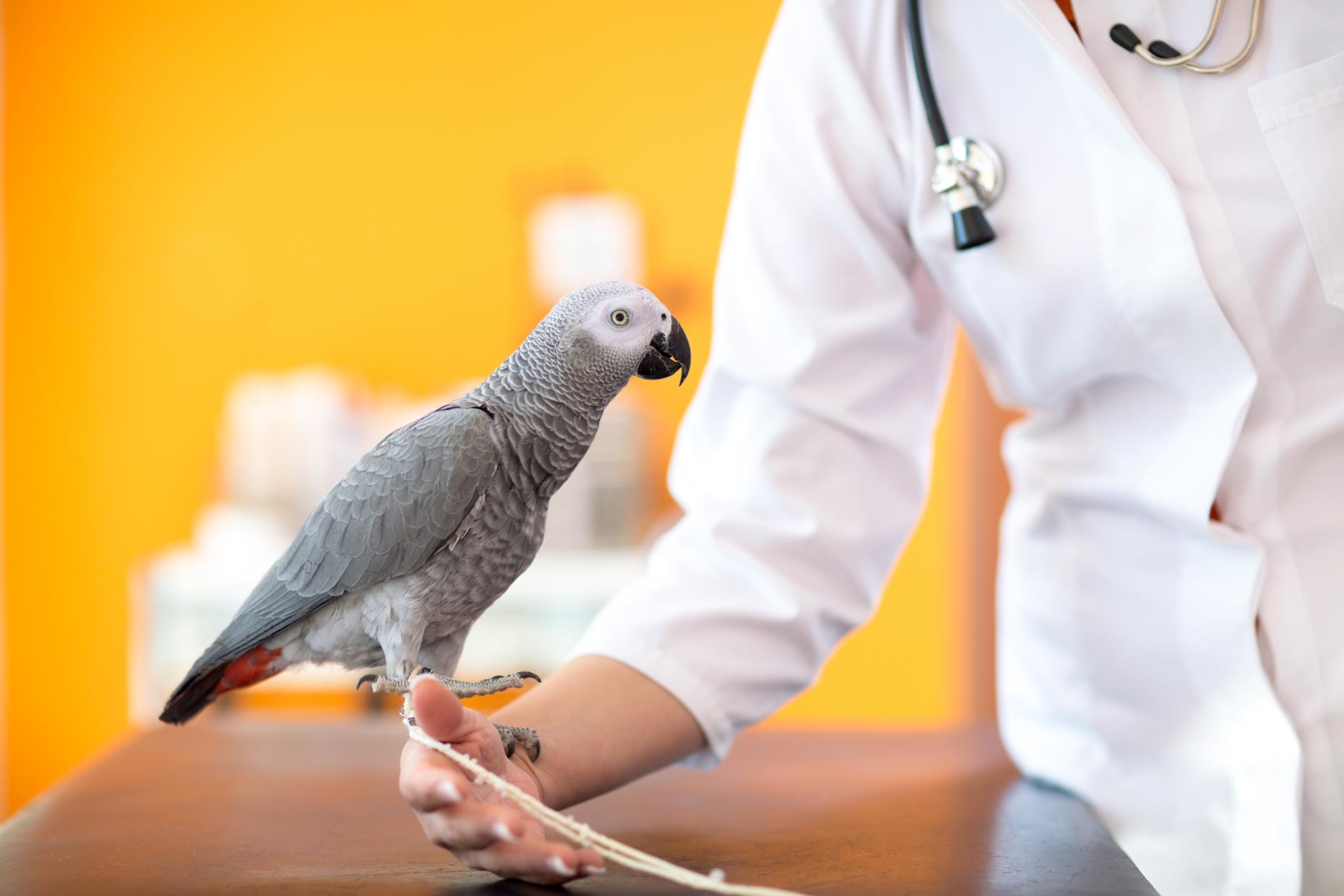
If your parrot is staring intently at you, be prepared for a very special gift. It could be a song, a smooch, or even a mouthful of partially digested food.
Regurgitating food is common social and courtship behavior for parrots, but there’s an important distinction between bird regurgitation vs. vomiting. Regurgitation can be purposeful and relatively calm, while vomiting is generally an involuntary sign of illness.
In this blog, our team at Texas Avian & Exotic Hospital helps parrot parents understand that difference so you know when your parrot is simply being affectionate, and when it’s time to call an avian veterinarian.
Is Regurgitation Normal for Parrots?
Sometimes, yes. A healthy parrot may regurgitate a small amount of food as part of normal social or courtship behavior directed toward a favorite person, toy, mirror, or another bird.
Behavioral regurgitation is usually deliberate rather than dramatic. Your parrot may bob its head, bring up food, and attempt to offer it to its chosen recipient. It’s your bird’s way of saying, “I like you so much I’m going to give you lunch.”
Vomiting is Different
Parrot vomiting is more concerning, because it is generally involuntary and may involve forceful expulsion of material. A sick bird may shake or fling its head, leaving food or fluid on its face, feathers, or surrounding surfaces.
Vomiting can have many potential causes, including infections, toxins, foreign material, gastrointestinal disease, or other underlying health problems.
Bird Crop Problems Explained
The crop is a pouch connected to the esophagus that temporarily stores food before it continues through the digestive tract. Problems with the crop can interfere with normal digestion, and may cause regurgitation.
Bird crop problems can include infections, foreign material, burns, or crop stasis, in which the crop does not empty normally. A crop that remains unusually full or distended can be a warning sign.
When Should You Call an Avian Veterinarian?
Regurgitation accompanied by other signs of illness deserves prompt veterinary attention.
Watch for:
- Loss of appetite
- Weight loss
- Lethargy or unusual quietness
- A swollen or persistently full crop
- Difficulty swallowing
- Changes in droppings
- Repeated vomiting or regurgitation
- Food or fluid stuck on the face and feathers
- Difficulty breathing or weakness
Know Your Parrot’s Normal
A parrot offering a tiny food parcel to a favorite toy is one thing. A bird repeatedly vomiting, losing weight, or showing changes in crop function is another.
The good news is that recognizing the difference between bird regurgitation vs. vomiting gives you an important head start. If you’re unsure whether you’re seeing normal regurgitation or a sign of illness, an avian veterinarian can help determine what’s happening.
Our goal is to help birds stay healthy, comfortable, and happily perched for many years to come. Please contact us at (817) 953-8560 to schedule a visit for your feathered friend if parrot vomiting has you concerned.